


Tetrahydrofuran
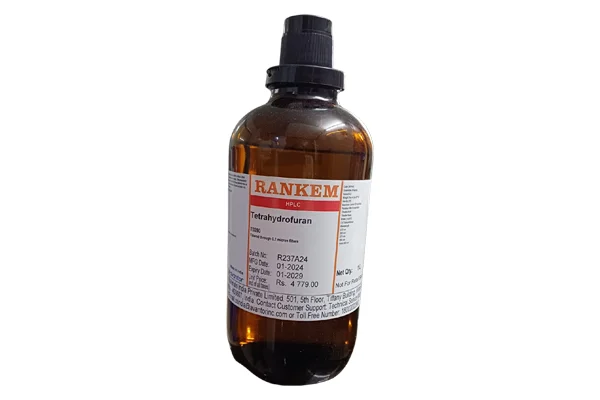
Tetrahydrofuran
Tetrahydrofuran (THF) is a cyclic ether with the molecular formula C₄H₈O and CAS number 109-99-9. It is a clear, colorless, volatile liquid with a characteristic ethereal odor. THF is widely used as a polar aprotic solvent in organic chemistry and plays a significant role in both the chemical and pharmaceutical industries.
2. Chemical & Physical Properties
-
Molecular Weight: 72.11 g/mol
-
Boiling Point: 65–67°C
-
Melting Point: Approximately −108°C
-
Density: 0.89 g/mL at 25°C (less dense than water)
-
Solubility: Miscible with water and most organic solvents
-
Flash Point: 6°F (−14.4°C) — indicates high flammability
-
Vapor Pressure: 145 mmHg at 68°F
-
Vapor Density: 2.5 (heavier than air)
3. Applications & Pharmaceutical Significance
THF is a versatile solvent employed in polymer synthesis, Grignard reactions, and lithium aluminum hydride reductions. In the pharmaceutical context, THF is not merely a solvent but also serves as a critical structural motif in several FDA-approved drugs. A 2025 review highlights that 13 FDA-approved drugs containing a THF nucleus are currently on the market.
A prominent example is Darunavir, an HIV-1 protease inhibitor used as a first-line therapy for HIV/AIDS. The drug incorporates a bis-tetrahydrofuranylurethane (bis-THF) ligand, which is specifically designed to maximize hydrogen bonding and van der Waals interactions with the active site of the HIV-1 protease enzyme, contributing to its potency against multidrug-resistant viral strains.
4. Safety & Toxicology
THF poses significant health and safety risks, which are crucial for handling.
-
Acute Toxicity:
-
Oral (Rats): LD₅₀ = 1,650 mg/kg.
-
Inhalation (Rats): LC₅₀ > 14.7 mg/L (6 hours).
-
-
Irritation: Causes severe eye irritation and may cause skin irritation and dermatitis upon repeated or prolonged contact due to its defatting properties.
-
Specific Target Organ Toxicity (STOT):
-
Inhalation may cause respiratory tract irritation, drowsiness, and dizziness.
-
Vapors can cause nausea, headache, and anesthesia.
-
-
Carcinogenicity: Classified as "suspected of causing cancer" in some safety data sheets.
-
Chronic Effects: In severe cases of exposure, if the patient survives the first 48 hours, lung function typically normalizes in 7 to 14 days. However, increased sensitivity to irritants (reactive airways dysfunction syndrome) may persist for years. Central nervous system disorders, liver, and kidney damage may occur.
5. First Aid Measures (Emergency Response)
-
Inhalation: Remove victim to fresh air immediately. Administer oxygen if breathing is difficult. Seek medical attention if symptoms (wheezing, coughing) develop.
-
Skin Contact: Immediately flush affected skin with water while removing contaminated clothing. Wash thoroughly with soap and water.
-
Eye Contact: Flush eyes with water for 20–30 minutes. Remove contact lenses if present. Seek immediate medical attention.
-
Ingestion: DO NOT INDUCE VOMITING (risk of aspiration into lungs). Give 1–2 glasses of water to dilute if the victim is conscious. Transport to a hospital immediately.
6. Safety Hazards & Reactivity
-
Flammability: Highly flammable (NFPA Health Rating 2, Flammability 3). Vapors can travel to ignition sources and flash back.
-
Peroxide Formation: THF readily forms explosive peroxides upon exposure to air. It must be stored under inert atmosphere and tested for peroxides before use.
-
Reactivity: Reacts violently with oxidizing agents. Dry THF containing peroxides has resulted in explosions when treated with lithium aluminum hydride or sodium hydroxide.
7. Occupational Exposure Limits
-
Workplace Limit (8-hour TWA, EU): 50 ppm.
-
Short-Term Exposure Limit (STEL): 100 ppm (EU) / 250 ppm (USA NIOSH).
-
IDLH (Immediately Dangerous to Life or Health): 2,000 ppm (based on 10% of the lower explosive limit).
- In stock: Yes


